
Christmas Around the World: Traditions Big and Small
Christmas is celebrated in countless ways across the globe, with each country adding its own unique twist. While the core of the holiday—family, joy, giving, and reflection—remains the same, the traditions, foods, and decorations can be very different. Let’s take a festive tour around the world!
United Kingdom
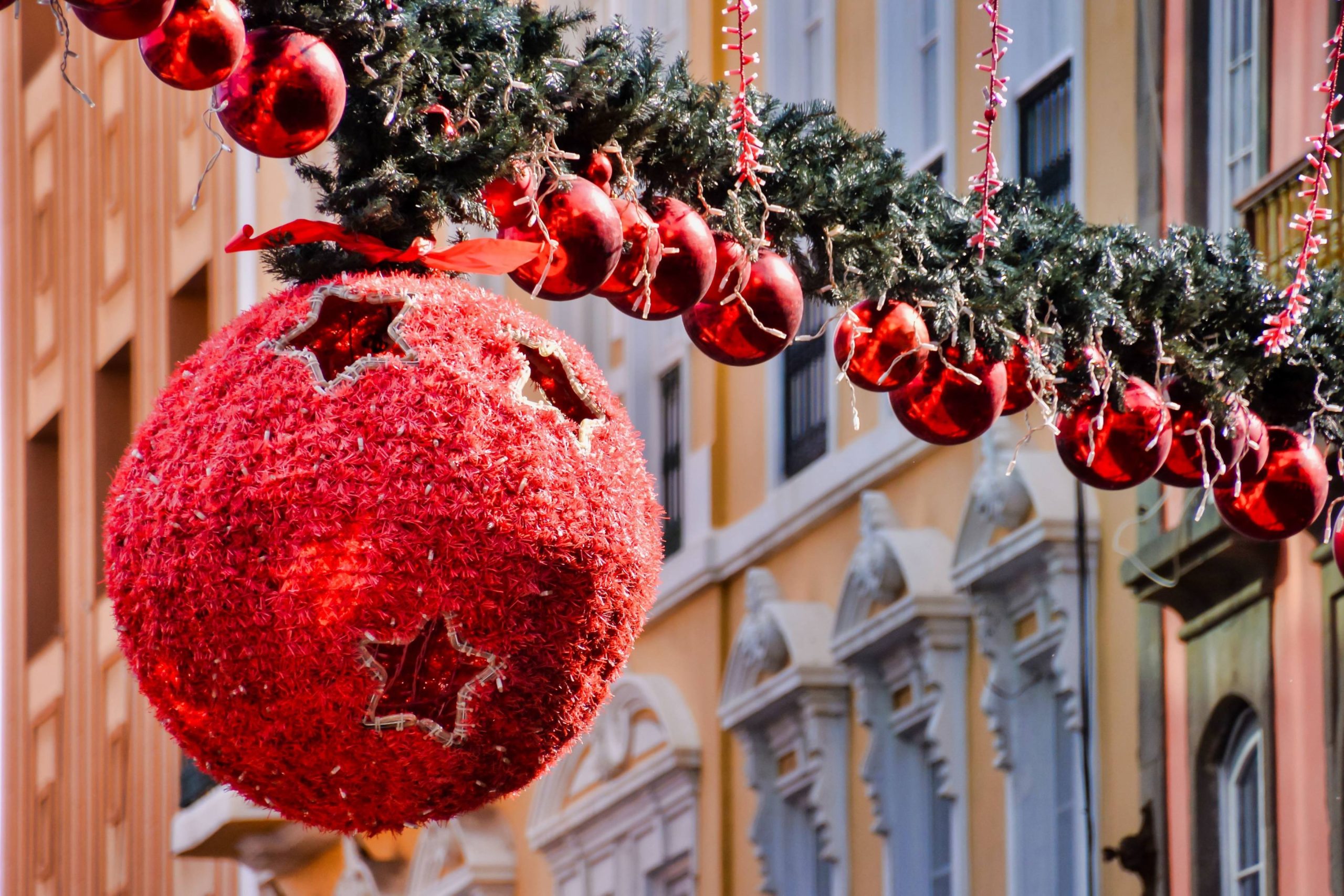
In the UK, Christmas is full of traditions both old and new. Families often gather for a big Christmas dinner featuring roast turkey, stuffing, roasted vegetables, and the famous Christmas pudding. On Christmas Day, families often exchange presents and enjoy festive crackers, colourful tubes that “pop” when pulled apart, containing a small toy, a joke, and a paper crown. Fun fact: Boxing Day, the day after Christmas, is a public holiday in the UK. Traditionally, it was when servants and tradespeople received gifts from their employers, but today it’s also famous for sports, shopping, and family outings.
United States
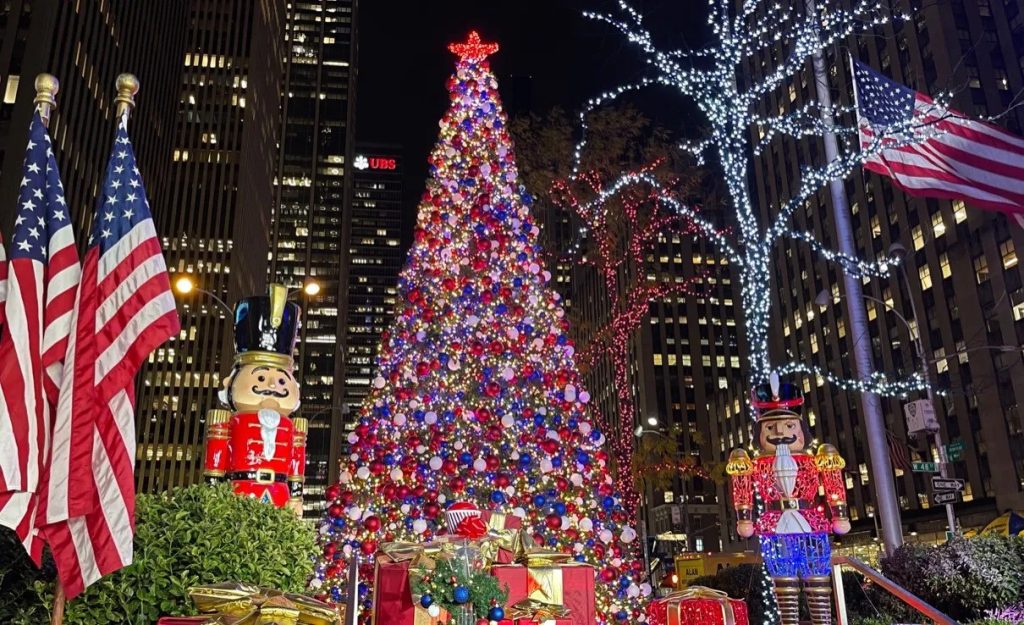
In the U.S., Christmas is a time for lights, trees, and family gatherings. Many families hang stockings for Santa to fill with small gifts, and decorating the Christmas tree is a cherished tradition. Cities across the country are famous for elaborate light displays, from small neighbourhoods to major landmarks like Rockefeller Center in New York City. Fun fact: The tradition of leaving cookies and milk for Santa started in the U.S., inspired by European customs.
Australia
Christmas in Australia falls during the summer, so many families celebrate with beach picnics, barbecues, and outdoor activities rather than snow. Christmas lights and decorations still play a big role, and traditional foods like pavlova and seafood are common at the holiday table. Fun fact: Australians often celebrate with “Carols by Candlelight,” outdoor concerts where people sing along with local choirs and musicians.
Mexico
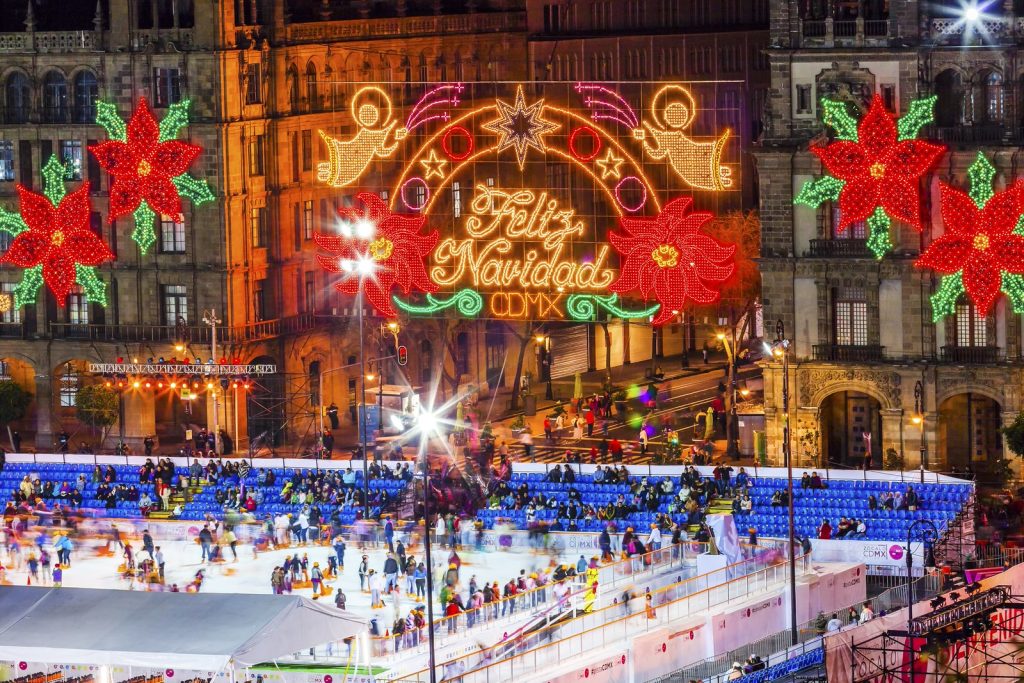
In Mexico, Christmas begins with Las Posadas, a nine-day celebration from December 16 to 24 that reenacts Mary and Joseph’s search for shelter. People go door-to-door singing, carrying candles, and enjoying treats like tamales and ponche, a warm fruit punch. On Christmas Eve, families attend Misa de Gallo, the Midnight Mass.
Fun fact: Breaking a piñata during Posadas is symbolic—hitting the brightly coloured figure represents the triumph of good over evil.
Germany
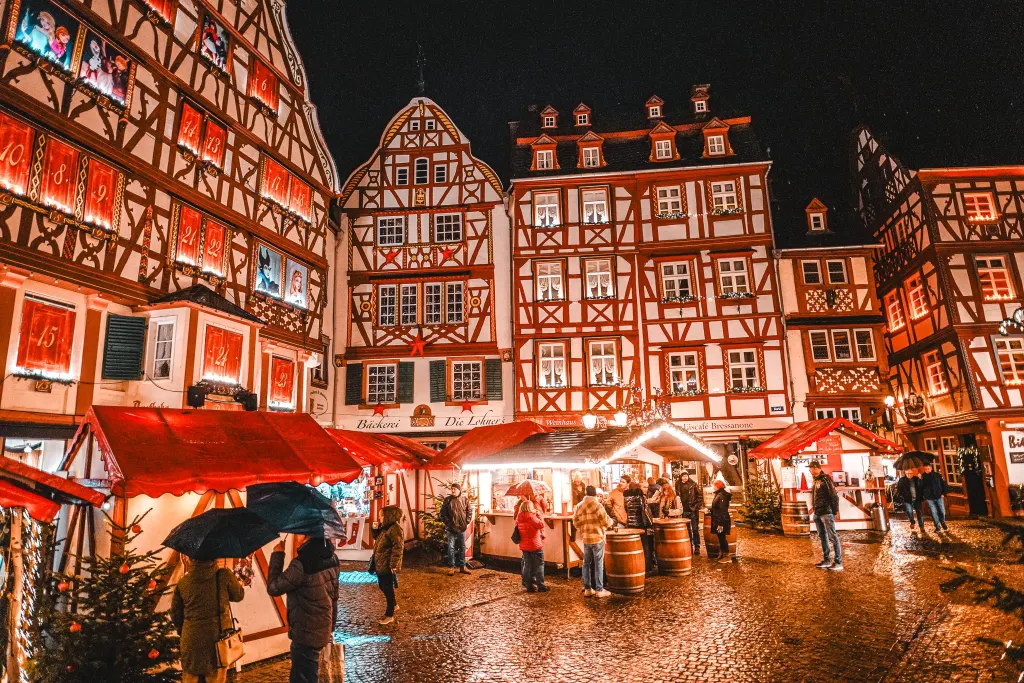
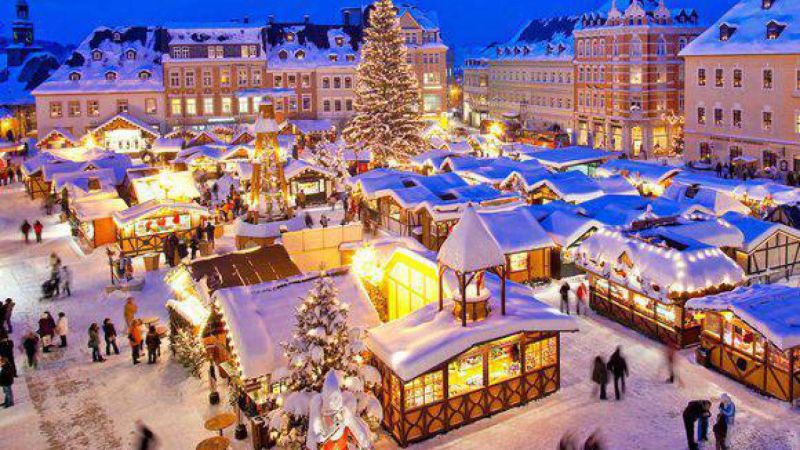
Germany is famous for its Christmas markets (Weihnachtsmärkte), which sell handmade ornaments, candles, toys, and traditional foods like Stollen (fruit bread) and gingerbread cookies. Children open a small gift each day from their Advent calendars, counting down to Christmas Day. Fun fact: The figure of Santa Claus, known as Weihnachtsmann, evolved from German folklore, inspired by Saint Nicholas.
Japan
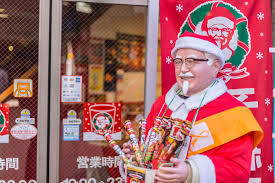
Although Christmas isn’t a national holiday in Japan, the season is widely celebrated as a time for lights, gifts, and festive foods. One unique tradition is eating Christmas cake, usually a sponge cake topped with strawberries and whipped cream. Christmas Eve in Japan is considered a romantic occasion, similar to Valentine’s Day in Western countries. Fun fact: KFC became a Christmas tradition in Japan thanks to a successful 1970s marketing campaign, and many families pre-order their fried chicken for the holiday.
Sweden
In Sweden, Christmas begins with Advent, a period of preparation for the holiday. Families celebrate St. Lucia’s Day on December 13, where girls wear white robes and crowns of candles. Fun fact: Swedish Christmas dinners often include julbord, a buffet of herring, meatballs, sausages, and other festive dishes.
Italy
Italian Christmas traditions vary by region, but many families celebrate La Befana, a kind witch who delivers gifts to children on January 6. Christmas Eve dinner often includes seafood, and nativity scenes (presepi) are displayed in homes and churches. Fun fact: The Vatican hosts a huge Midnight Mass in St. Peter’s Basilica, attracting pilgrims from all over the world.
South Africa
Christmas falls during the summer, so many families celebrate outdoors. People often enjoy barbecues, called braais, on Christmas Day. Instead of snow, you might find beaches, sunny parks, and gardens filled with Christmas lights and decorations. Children attend church services, sing carols, and exchange gifts.
Fun fact: South African homes are often decorated with brightly coloured ornaments, lights, and handmade crafts, reflecting both traditional and modern influences. Some families even decorate native trees, like the pineapple or protea, instead of the classic fir tree.
Common threads
No matter where you go, some themes are universal:
- Lights: from candles to elaborate displays, lights symbolize hope, joy, and warmth.
- Food: festive treats, shared meals, and sweet desserts are central to celebrations.
- Family and Friends: Christmas is a time to gather, share stories, and create memories.
- Giving and Kindness: Whether it’s gifts, charitable acts, or simple gestures, generosity is at the heart of the holiday.
Christmas may look different around the world, but it always celebrates the magic of togetherness, love, and hope. Exploring these traditions can remind us that while cultures may differ, the spirit of the season is something everyone can enjoy.


